
 Facebook
 X
 Pinterest
 Copy Link
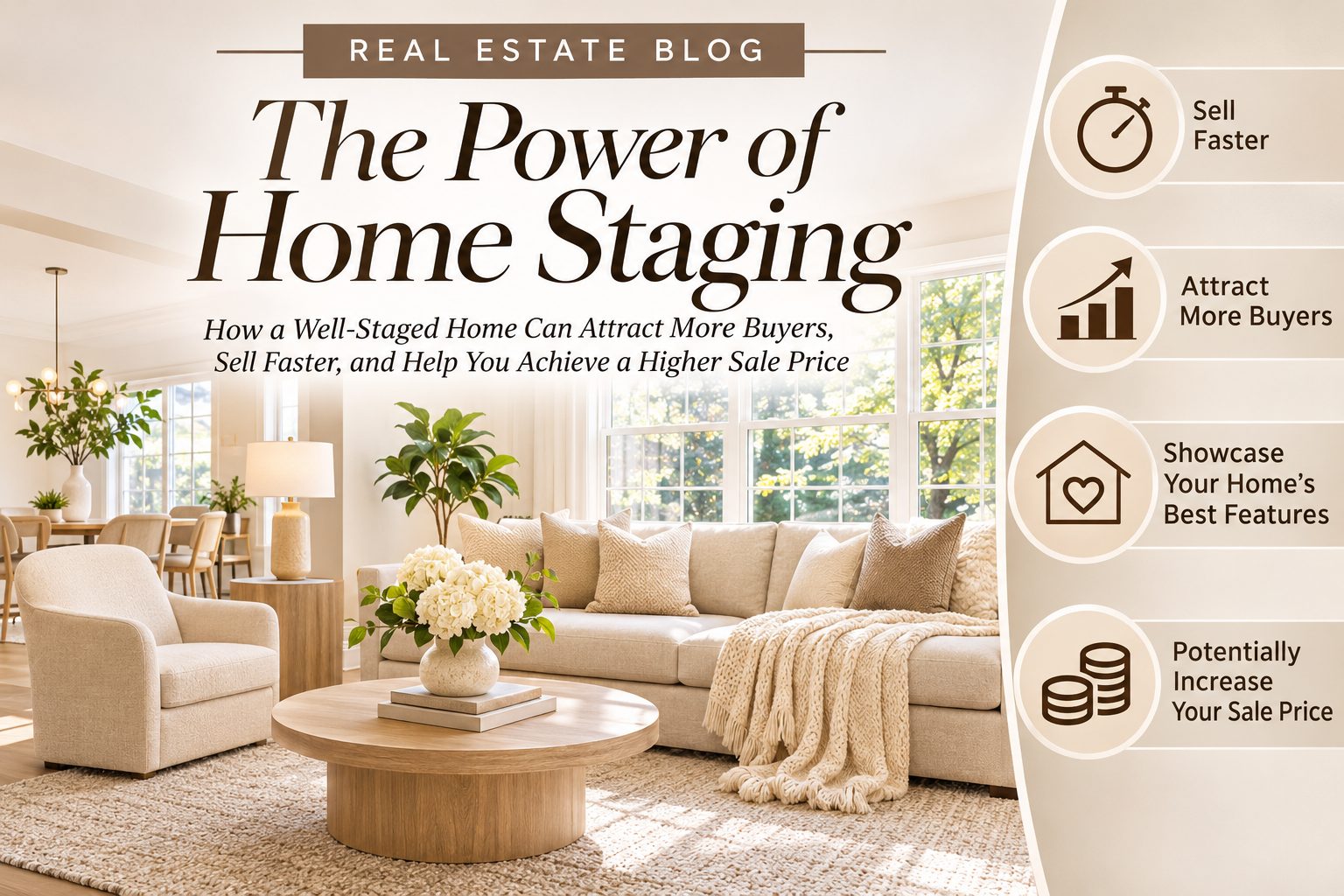
Make a Lasting First Impression. Attract More Buyers. Showcase Your Home’s Full Potential.
When preparing to sell your home, first impressions can make all the difference. Before buyers walk through your front door, they have likely already viewed your property online. The photographs, presentation, and overall appearance of your home can influence whether they decide to schedule a showing or move on to another listing.
This is why professional home staging has become such an important part of today’s real estate marketing strategy.
If you’re preparing to sell your home, hiring a professional home stager can help you present your property in its best possible light, highlight its strongest features, and create an inviting environment that allows prospective buyers to envision themselves living there.
As an Accredited Staging Professional (ASP-RE), I believe staging should be considered an important part of the home-selling process, not simply an additional decorating expense.
Let’s explore why staging matters, what a professional home stager does, and how the right preparation can help position your home for a successful sale.
WHAT IS PROFESSIONAL HOME STAGING?
Home staging is the process of strategically preparing, arranging, and presenting a property to appeal to prospective buyers.
Unlike traditional interior decorating, which focuses on the homeowner’s personal preferences, home staging is designed with the target buyer in mind.
A professional home stager evaluates the property and identifies ways to improve its overall appearance, functionality, and flow.
This may include:
- Rearranging existing furniture to maximize space.
- Removing unnecessary or oversized furniture.
- Decluttering and depersonalizing rooms.
- Selecting neutral colors and coordinating accessories.
- Improving lighting and room presentation.
- Adding furniture, artwork, rugs, and decorative accents.
- Highlighting architectural features and desirable spaces.
- Creating an inviting and cohesive appearance throughout the home.
The objective is simple: help buyers see the property’s potential and make a positive emotional connection.
WHY SHOULD YOU HIRE A PROFESSIONAL HOME STAGER BEFORE SELLING?
You may love your home’s current appearance, but preparing a property for sale requires looking at it from a buyer’s perspective.
A professional stager understands how to create an environment that photographs beautifully, feels inviting during showings, and showcases the property’s strongest features.
Here are some important reasons to consider professional staging.
1. CREATE A STRONG FIRST IMPRESSION
Buyers often form an initial opinion before they ever step inside a property.
Professional staging helps create beautiful, polished listing photographs that capture attention and encourage buyers to schedule appointments.
In a competitive market, presentation can help your home stand out from other available properties.
2. HELP BUYERS ENVISION THEMSELVES LIVING THERE
One of the biggest challenges buyers face when viewing a property is imagining how their furniture and lifestyle will fit into the space.
Staging helps answer questions such as:
- Where would the living room furniture go?
- Can this bedroom accommodate a king-size bed?
- Is there enough space for a dining table?
- How can this open-concept layout be used?
- What could this empty room become?
When rooms are thoughtfully furnished and arranged, buyers can better understand the functionality of the home.
3. MAKE ROOMS FEEL MORE SPACIOUS AND FUNCTIONAL
Too much furniture, clutter, and personal belongings can make even a beautiful home feel smaller.
Professional staging creates better flow, improves furniture placement, and allows buyers to appreciate the available space.
4. HIGHLIGHT YOUR HOME’S BEST FEATURES
Every property has something worth showcasing.
Whether it’s beautiful hardwood flooring, large windows, an open floor plan, a fireplace, or an updated kitchen, staging helps draw attention to the features that make your property desirable.
5. HELP YOUR PROPERTY COMPETE IN THE MARKETPLACE
Buyers compare properties online and in person.
A well-presented home can create a stronger impression and help distinguish your listing from similar properties.
6. POTENTIALLY INCREASE BUYER OFFERS AND REDUCE TIME ON THE MARKET
According to the National Association of REALTORS® 2025 Profile of Home Staging:
- 83% of buyers’ agents reported that staging made it easier for buyers to visualize a property as their future home.
- 49% of sellers’ agents reported that staging reduced the time homes spent on the market.
- 29% of real estate agents reported that staging was associated with a 1%–10% increase in the dollar value offered by buyers.
These findings demonstrate why staging deserves consideration as part of a seller’s marketing strategy.
While staging cannot guarantee a higher sale price or faster transaction, it can help create a more appealing presentation and a stronger first impression.
WHAT ARE THE MOST IMPORTANT ROOMS TO STAGE?
Not every room requires the same amount of attention. A professional stager will evaluate the property and prioritize the spaces that are most important to prospective buyers.
The NAR 2025 report identified the following rooms as the most commonly staged by sellers’ agents:
Living Room
The living room is often the heart of the home. Arrange furniture to create a welcoming conversation area, establish clear walking paths, and showcase the available space.
Primary Bedroom
Create a peaceful, inviting retreat using neutral bedding, coordinated pillows, appropriate furniture, soft lighting, and minimal accessories.
Kitchen
Keep countertops clean and uncluttered. Add simple decorative touches, fresh greenery, and coordinated accessories while highlighting the cabinetry, countertops, and available workspace.
Dining Room
Show buyers how the space can be used for everyday meals and entertaining. A properly sized dining table, coordinated chairs, and a simple centerpiece can transform an empty room.
Bathrooms
Keep bathrooms spotless, remove personal products, coordinate towels, and add minimal accessories for a clean, spa-like appearance.
THE HOME STAGING PROCESS: WHAT SHOULD SELLERS EXPECT?
Hiring a professional home stager doesn’t have to be overwhelming. A well-organized staging process helps homeowners understand what needs to be done before the property goes on the market.
Here is what you can expect:
STEP 1: INITIAL CONSULTATION
The process begins with a walkthrough of your property.
The stager evaluates the home’s layout, furniture, lighting, condition, existing decor, and overall presentation.
This is an opportunity to discuss your selling goals, target buyer, budget, and desired timeline.
STEP 2: PROPERTY ASSESSMENT AND STAGING RECOMMENDATIONS
After evaluating the property, the stager identifies areas that need attention.
Recommendations may include:
- Furniture removal or rearrangement.
- Decluttering and depersonalizing.
- Minor cosmetic improvements.
- Paint and color recommendations.
- Lighting adjustments.
- Accessory placement.
- Additional furniture or decor.
- Curb appeal improvements.
You should receive a clear plan outlining the recommended changes.
STEP 3: DECLUTTERING AND PREPARATION
Before the actual staging begins, the home should be properly prepared.
This includes removing unnecessary belongings, packing personal items, organizing closets, cleaning surfaces, and addressing minor repairs.
The more prepared the property is, the more effective the staging process can be.
STEP 4: FURNITURE ARRANGEMENT AND STYLING
This is where the transformation begins.
Existing furniture may be rearranged, unnecessary pieces removed, and decorative accessories incorporated to create a cohesive appearance.
Depending on the property, additional furniture, rugs, artwork, lighting, and accessories may be brought in.
STEP 5: FINAL STYLING AND DETAILING
The stager completes the finishing touches.
Pillows are arranged, bedding is styled, artwork is positioned, accessories are coordinated, and each room is reviewed to ensure the home looks polished and inviting.
STEP 6: PROFESSIONAL PHOTOGRAPHY AND MARKETING
Once staging is complete, the property should be photographed professionally.
Your home is now ready to be presented to prospective buyers through online listings, marketing materials, social media, and property showings.
Remember: the goal is to make buyers want to see your home in person!
OCCUPIED VS. VACANT HOME STAGING: WHICH IS RIGHT FOR YOU?
Not every homeowner needs to empty their property or rent an entirely new set of furniture.
There are several staging options available.
Occupied Home Staging
Best for homeowners who are still living in their property.
A professional stager works with existing furniture and decor, making strategic adjustments to improve the home’s appearance and flow.
Vacant Home Staging
Best for properties that are completely empty.
Furniture, artwork, rugs, lighting, and accessories are brought into the home to help buyers understand the size and functionality of each room.
Partial Home Staging
Best for homeowners who want to focus their budget on the most important areas.
This may involve staging the living room, primary bedroom, dining room, or other key spaces.
Virtual Staging
Best for certain vacant properties or marketing situations where digital furniture and decor can help illustrate a room’s potential.
Virtual staging should be clearly identified in marketing materials and must accurately represent the property’s actual condition.
HOW MUCH DOES PROFESSIONAL HOME STAGING COST?
One of the most common questions sellers ask is: How much will it cost to stage my home?
The answer depends on several factors:
- Size of the property.
- Number of rooms being staged.
- Whether the home is occupied or vacant.
- Amount of furniture and accessories required.
- Rental duration.
- Delivery, installation, and removal requirements.
- Location and availability of staging services.
Some homeowners may only need a consultation and furniture rearrangement, while others may benefit from partial or complete vacant staging.
The important thing is to develop a staging plan that makes sense for your property, budget, and selling objectives.
Rather than spending money on unnecessary renovations or expensive upgrades, a professional stager can help identify where your investment may have the greatest visual impact.
COMMON HOME STAGING MISTAKES SELLERS SHOULD AVOID
Even beautiful homes can lose their appeal when they are not properly prepared for the market.
Avoid these common mistakes:
- Leaving too much furniture in a room.
- Keeping excessive family photographs and personal belongings on display.
- Ignoring cluttered closets and storage areas.
- Using overly bold or distracting colors.
- Blocking windows and natural light.
- Neglecting bathrooms and kitchens.
- Forgetting about curb appeal.
- Leaving visible maintenance issues unaddressed.
- Using furniture that is too large for the room.
- Waiting until after the property is listed to think about staging.
The best time to prepare your property is BEFORE it officially hits the market.
WHY WORK WITH AN ACCREDITED HOME STAGING PROFESSIONAL?
Choosing the right person to prepare your property is an important decision.
An Accredited Staging Professional understands the principles of staging, buyer appeal, space planning, furniture placement, and property presentation.
Instead of simply decorating a home, the objective is to create a strategic presentation that supports the property’s marketing and selling goals.
Working with a professional can help you:
- Receive an objective assessment of your property.
- Identify improvements that matter most to buyers.
- Avoid unnecessary decorating expenses.
- Create a cohesive look throughout the home.
- Maximize the use of existing furniture and accessories.
- Prepare the property for professional photography.
- Present your home with confidence.
READY TO GET YOUR HOME MARKET-READY?
Your home is one of your most valuable investments. Before putting it on the market, take the time to make sure it is being presented in the best possible way.
Whether you are selling a single-family home, condominium, co-op, or multi-family property, the right staging strategy can help showcase its potential and make a memorable impression on prospective buyers.
Don’t just list your home. Prepare it to stand out!
As a New York Licensed Real Estate Salesperson and Accredited Staging Professional (ASP-RE), I understand the importance of combining strategic real estate marketing with thoughtful property presentation.
I can help you evaluate your home’s presentation, identify staging opportunities, and develop a plan to prepare your property for the market.
LET’S GET YOUR HOME READY TO SELL!
Are you thinking about selling and wondering where to begin?
Let’s discuss your property, staging options, and selling strategy.
SoldByNathalie
Real Estate. Staged to Sell. Marketed to Impress.
📞 347-417-0646
✉️ SoldByNathalie@gmail.com
🌐 www.SoldByNathalie.com
Instagram: @SoldByNathalie
Yo Hablo Español!
Industry Research: National Association of REALTORS®, 2025 Profile of Home Staging and Consumer Guide: Staging Your House for a Sale.
Statistics reflect reported survey findings and agent observations. Staging results vary by property, market conditions, pricing, and buyer demand. No particular sale price or selling timeline is guaranteed.


